
China Trade
Chinese Export Porcelain
Canton Trading System
Opium Tea Trade
Chinese Export Porcelain
Chinese Export Porcelain
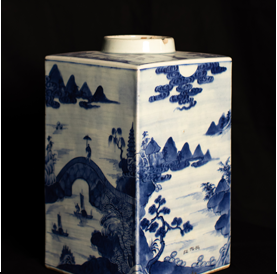
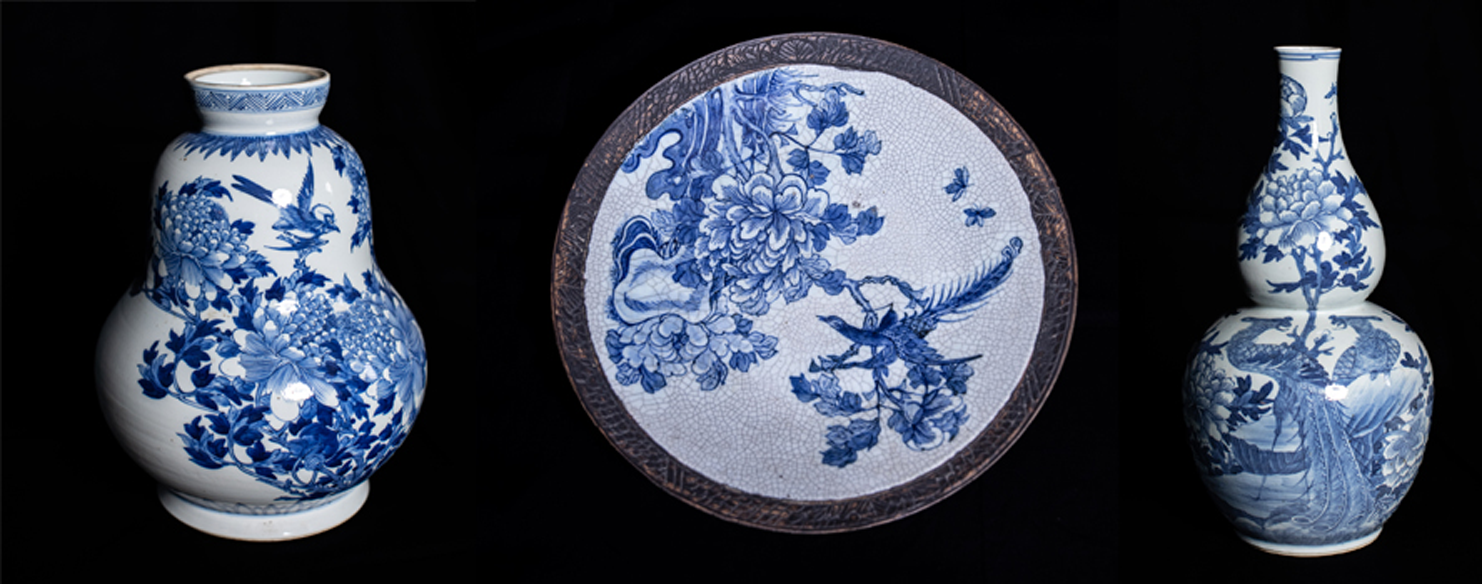
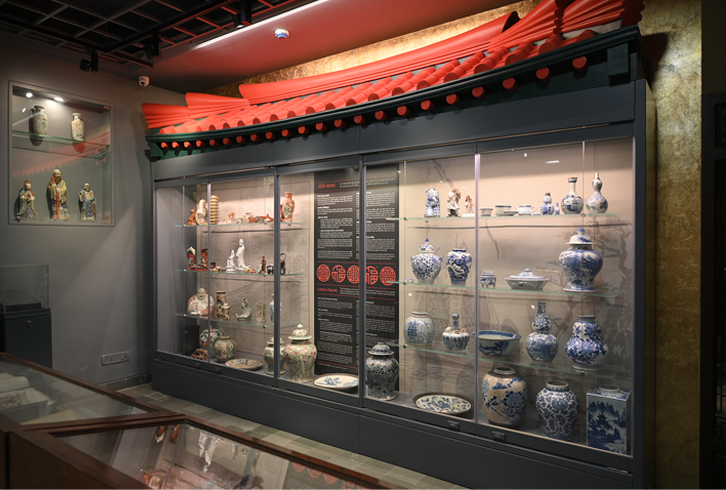
Canton was the main port through which Chinese ‘Export Porcelain’ was traded. Blue and white porcelain and decorative pieces displaying Chinese scenes, flowers, plants and birds in vibrant hues decorated Parsi homes in the 19th century. The finest porcelain was made during the reign of Emperor Qianlong (r. 1735-1796).
How Porcelain was transported
Porcelain exported to India, came as a ship’s ballast. The weight of the porcelain steadied the ship, and once it arrived in port, the porcelain was sold. It was difficult to transport porcelain, which often broke during the sea journey. Parsi merchants, ever pragmatic, used the broken porcelain pieces to create a mosaic flooring in their homes.
To prevent breakage, the Chinese wound each piece of porcelain tightly with coir rope, like a wooden spinning-top, and placed it in wooden chests to avoid breakage.
Canton Trading System
Canton Trading System
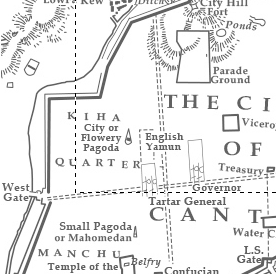
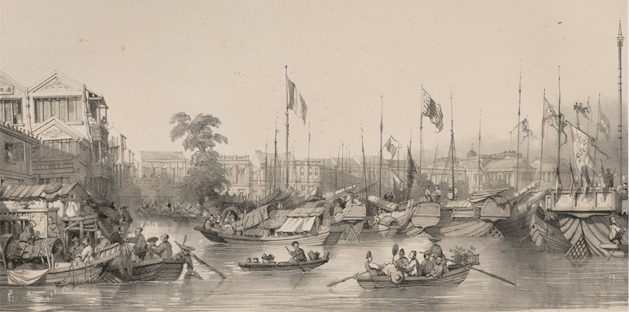
The Qing Emperors (1636-1912), who controlled trade, allowed foreign traders to operate from Canton on the shores of the Pearl River. Ships transporting Indian opium and cotton to China, returned to England with tea, porcelain, silk, and silver bullion.
The Factories
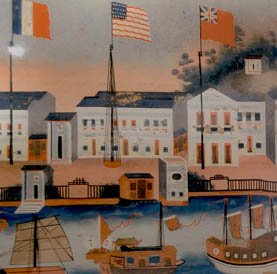
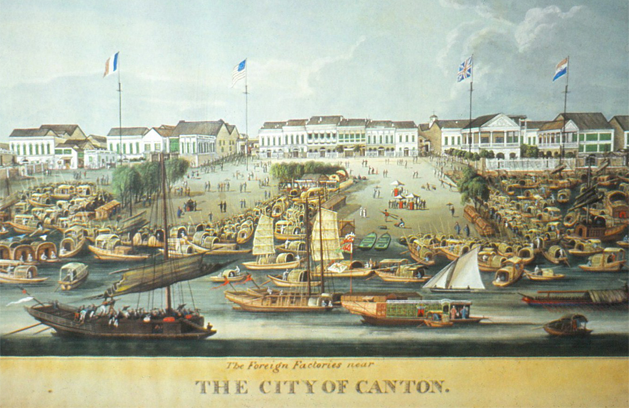
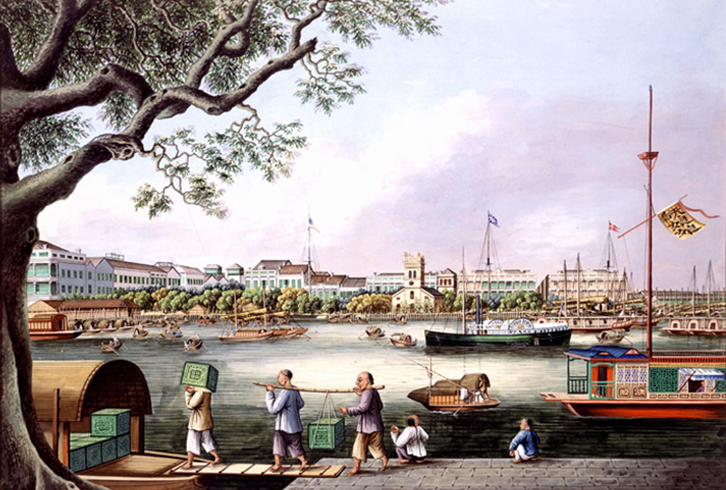
Trading houses, called factories, were built along the Pearl River and functioned as living quarters, warehouses, and offices for foreign traders.
Opium Tea Trade
Trade in Opium
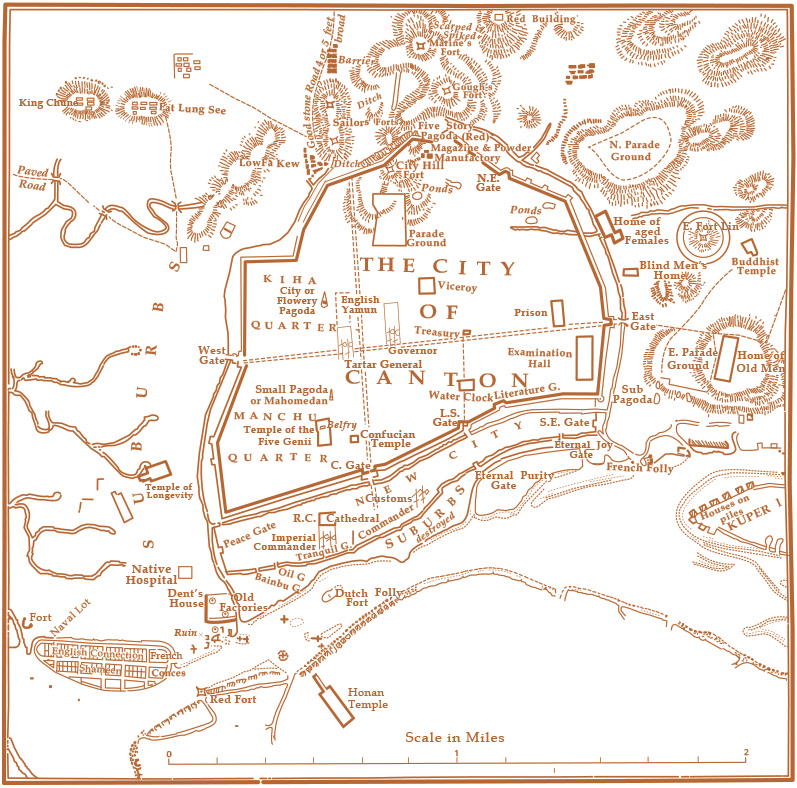
- The inner city of Canton was surrounded by walls, and entry of foreigners was prohibited. The extraordinary amount of money made in the opium trade, drew foreign merchants to Canton. It was the opium trade that supported the colonial economy and brought untold wealth to the merchants who traded in it.
- The Strange Equation between Opium and Tea drinking:
The Portuguese Princess Catherine of Braganza, who married Charles II of England, made tea drinking fashionable, and it created an unprecedented demand for tea, causing a trade imbalance in 19th century England.
To combat the trade deficit, the East India Company deployed opium in China, claiming it had medicinal properties. As opium addiction grew among the Chinese, the East India Company profited from the trade. Local Indians, such as the Parsis, Marwaris, Bengalis, Jains and Gujaratis, helped to procure opium, from the hinterland.
The sale of tea brought prosperity to China; but in less than fifty years, the import of opium, caused China to become a nation of opium smokers. The East India Company, had found in opium an easy way to reduce their trade deficit and pay for the tea consumed through sale of opium.