Museum Department
Library
Conservation Lab
Library
Library
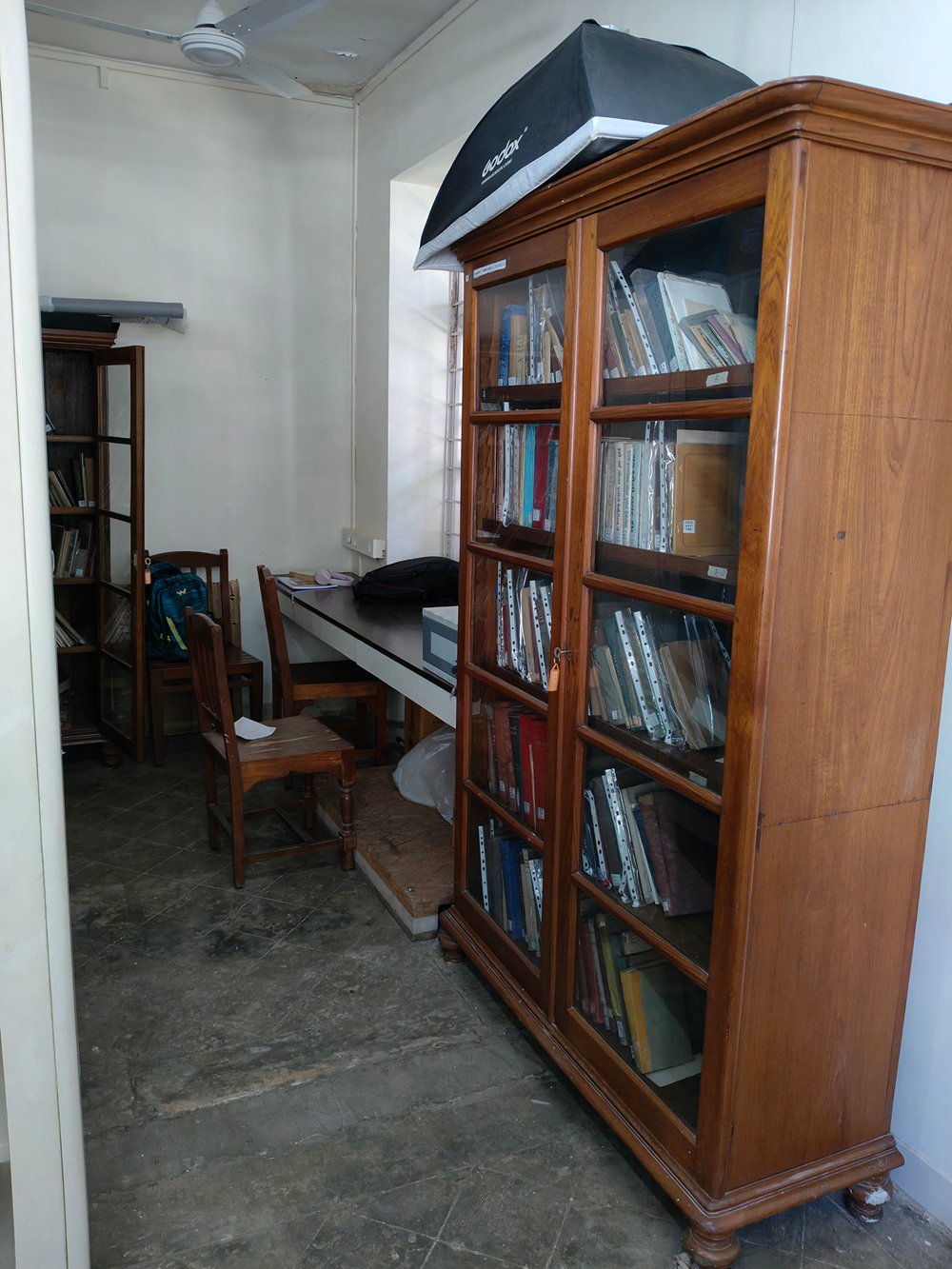
The F.D. Alpaiwalla Museum Reference Library is a primary source of information for curators, conservators, archaeologists, historians, artists and research students, working in the field of Parsi Irani Zoroastrian Art, History, Religion and Culture.
We encourage scholars, post-graduate and research students to visit the library for reference work, writing their thesis and for access to research articles.
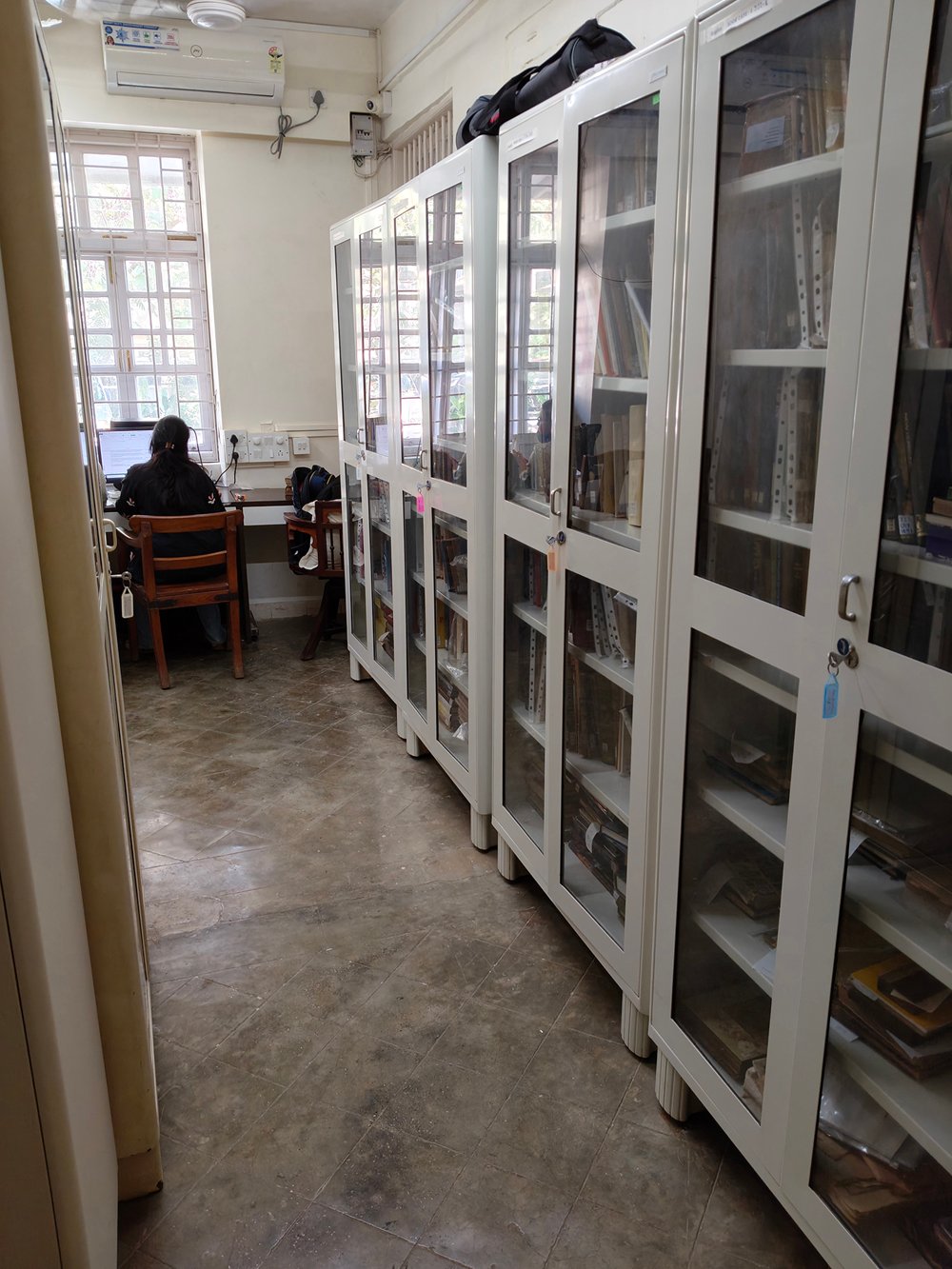
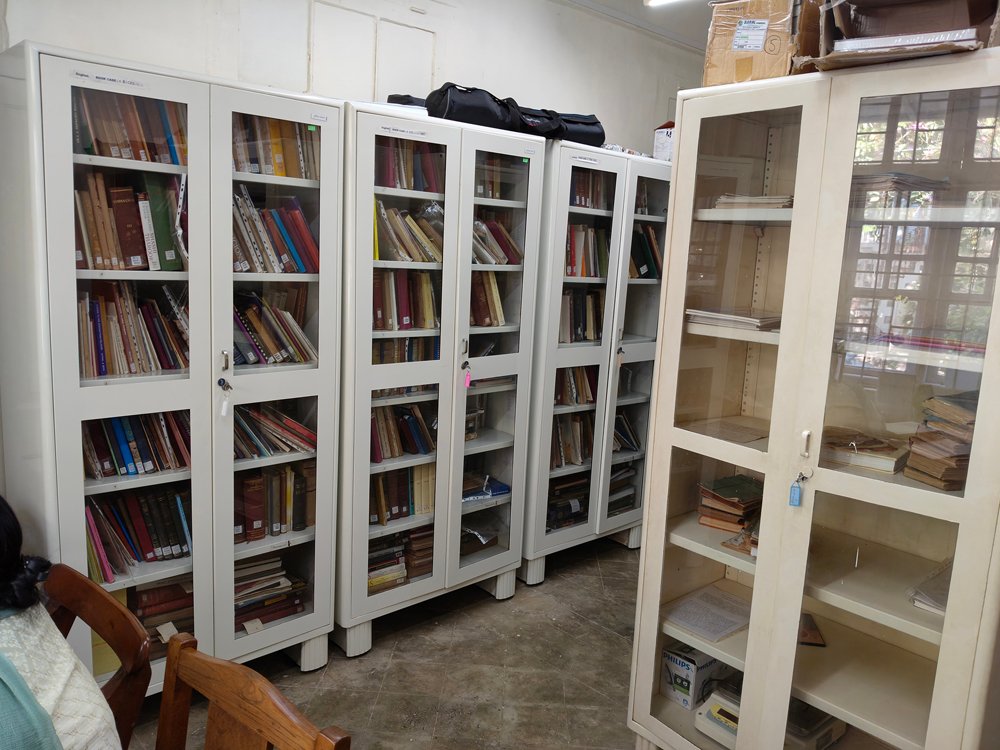
The Collection
The library collection focuses on the study of Zoroastrianism its art, history, and culture.
It has rare manuscripts, books in Gujarati and English, several journals, and the personal collection of Parsi scholars.
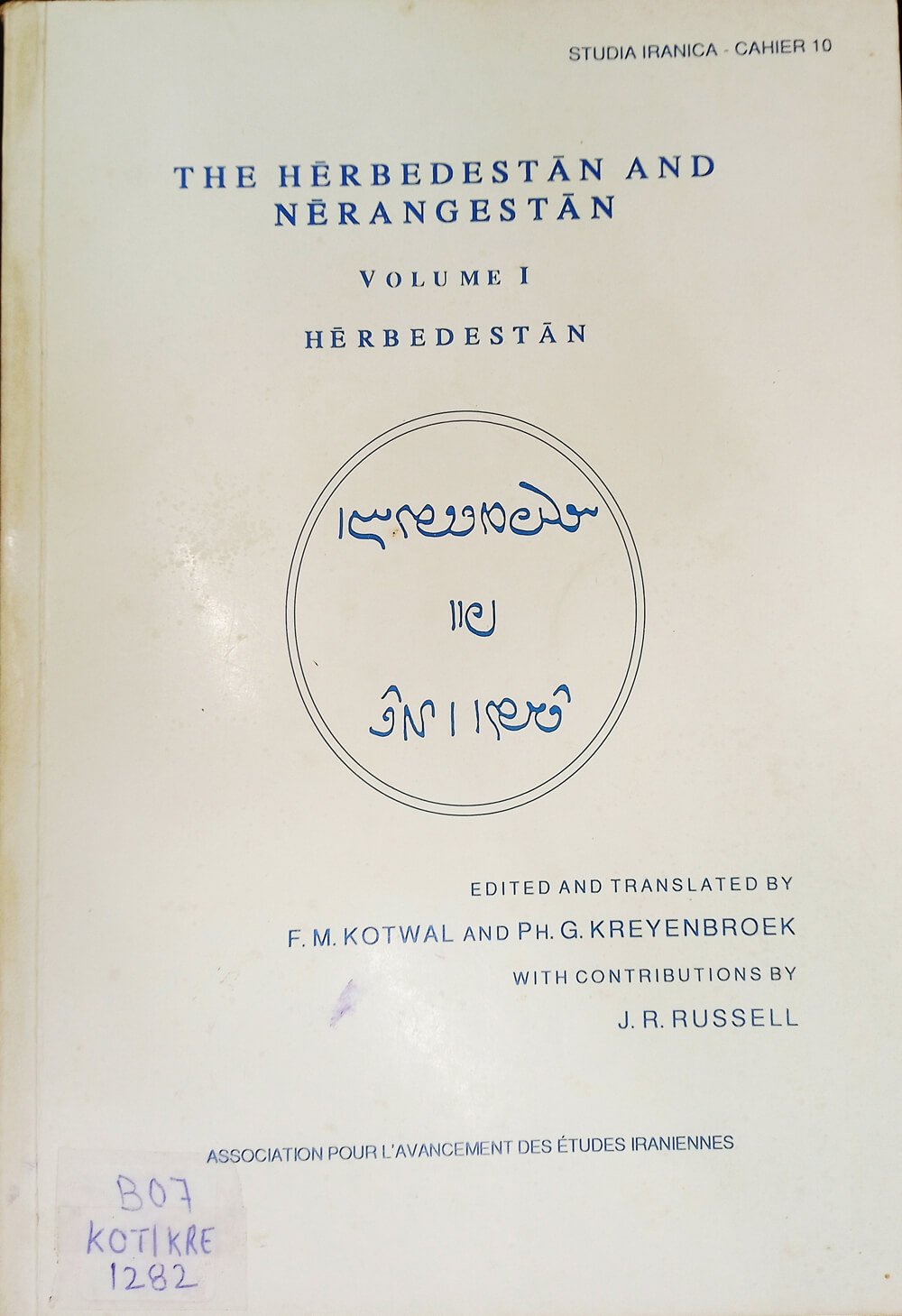
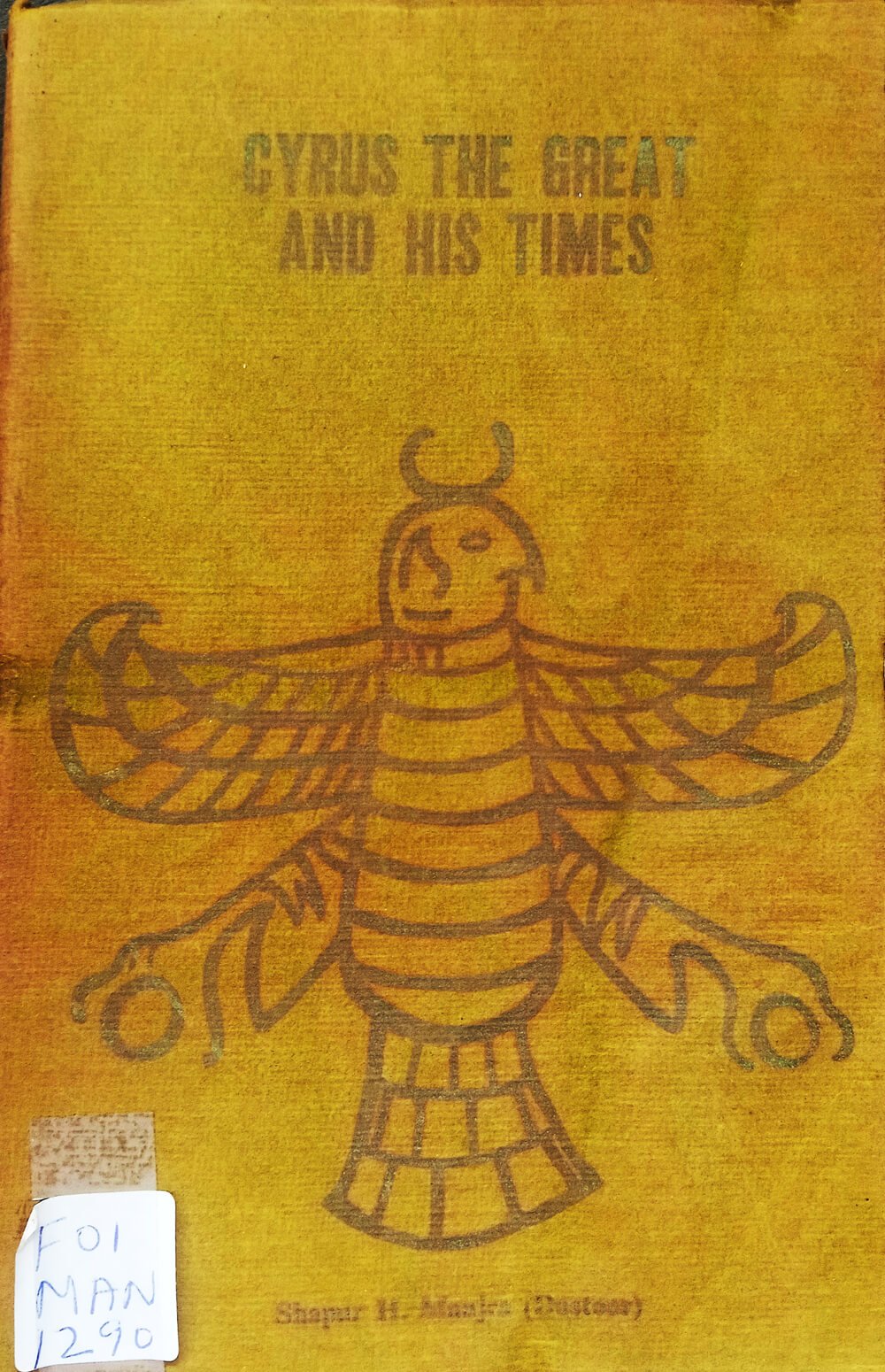
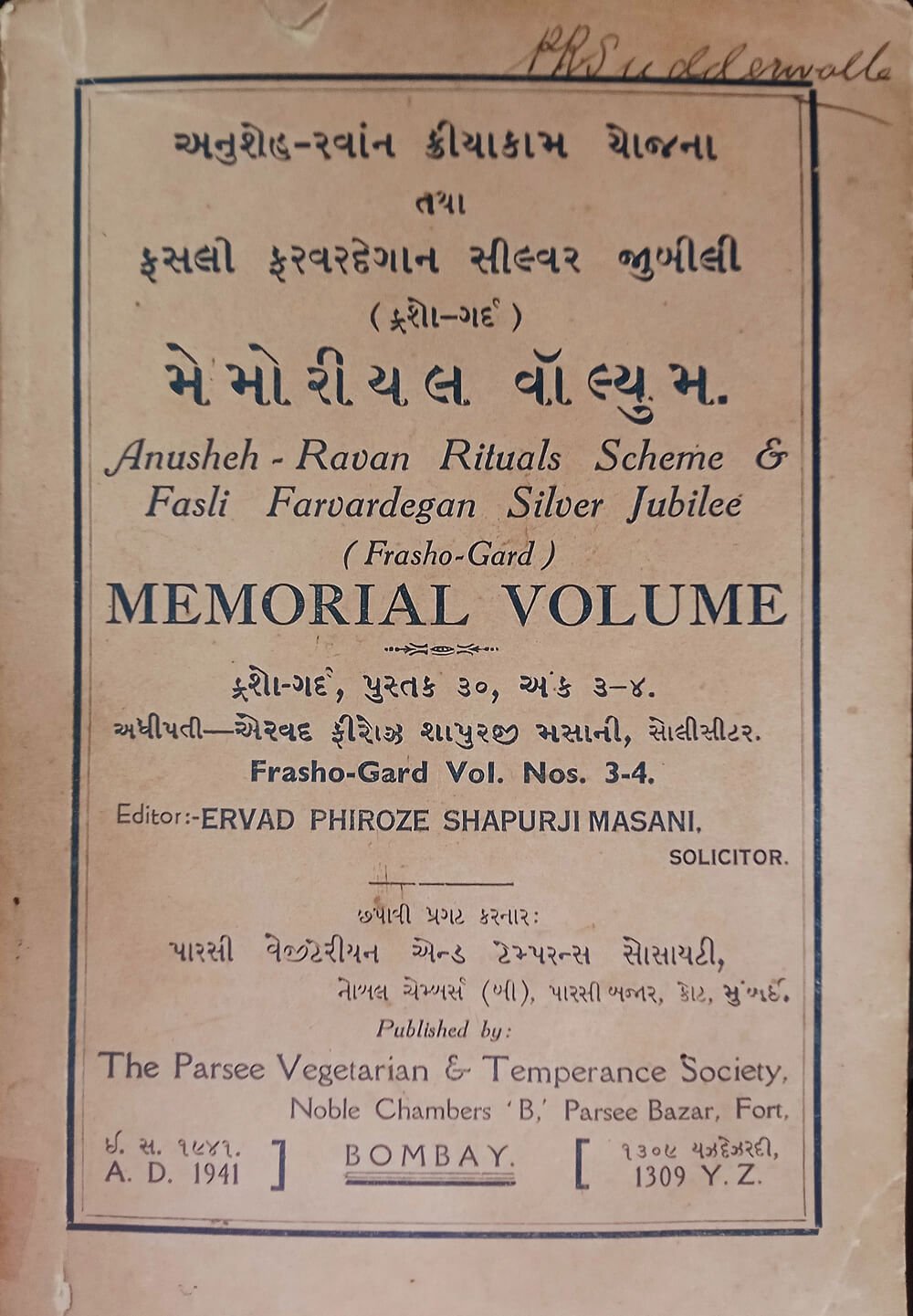
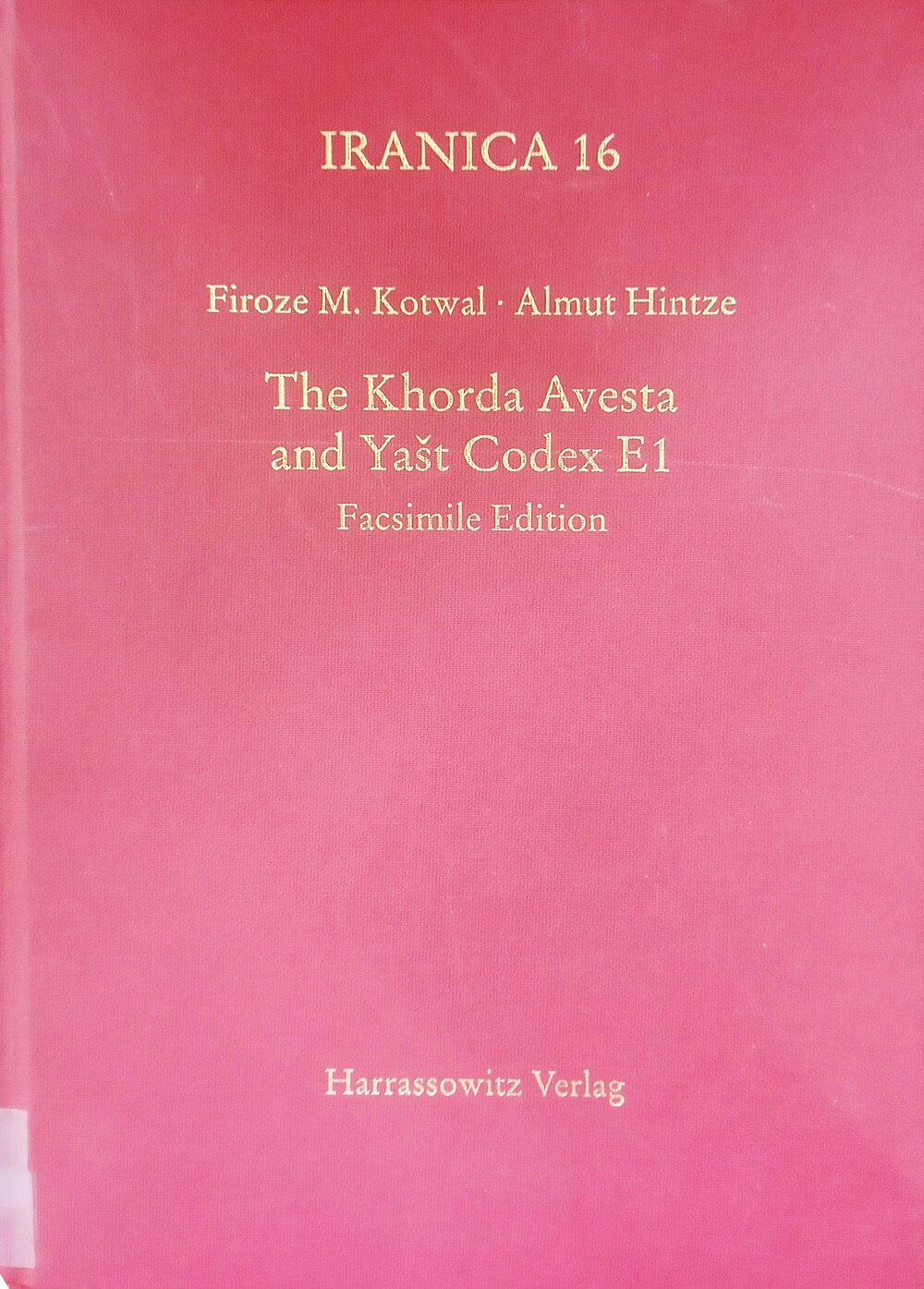
Rare Books
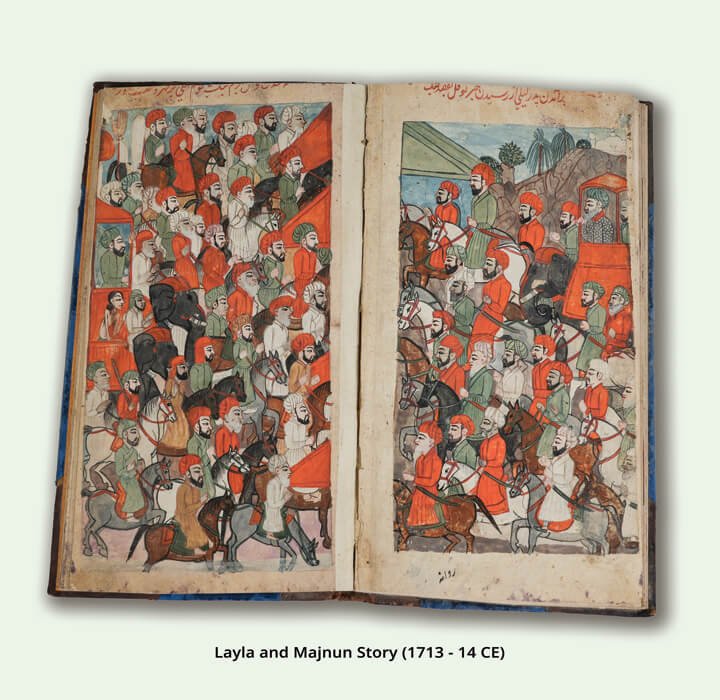
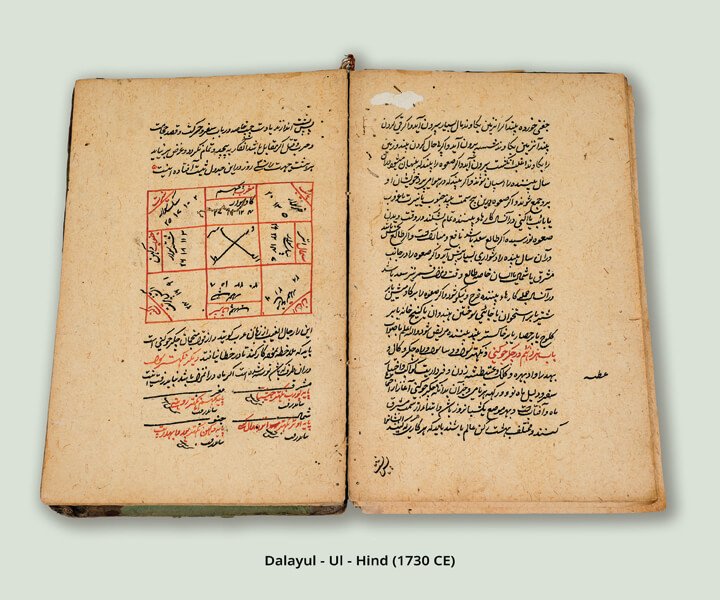
The museum houses some rare books, like Iranian Manuscript a 17th Century Diwan-i-Hafiz and….
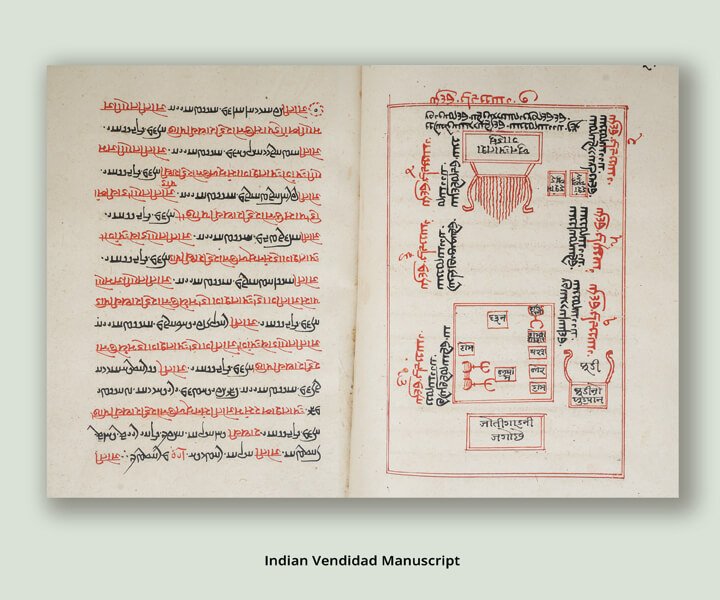
Inventory of Books in the Library
Conservation Lab
Conservation Lab
Over a decade back, much before the museum was revitalised, with support from the Bombay Parsi Punchayat, and under the guidance of Dr. Pheroza J. Godrej and Mrs Firoza Punthakey Mistree, all the objects at the Alpaiwalla Museum were photographed, documented, and their condition reports prepared. They were housed and stored very carefully.
Dr. Godrej and Mrs. Mistree had visualised the necessity of establishing an in-house art conservation facility for conservation of this Museum’s historic, artistic, and sacred works. This was successfully implemented as a pilot activity with seed support from the Ministry of Culture, Government of India, and technical expertise of Anupam Sah, a leading art conservation-restoration practitioner, strategist, and educator.
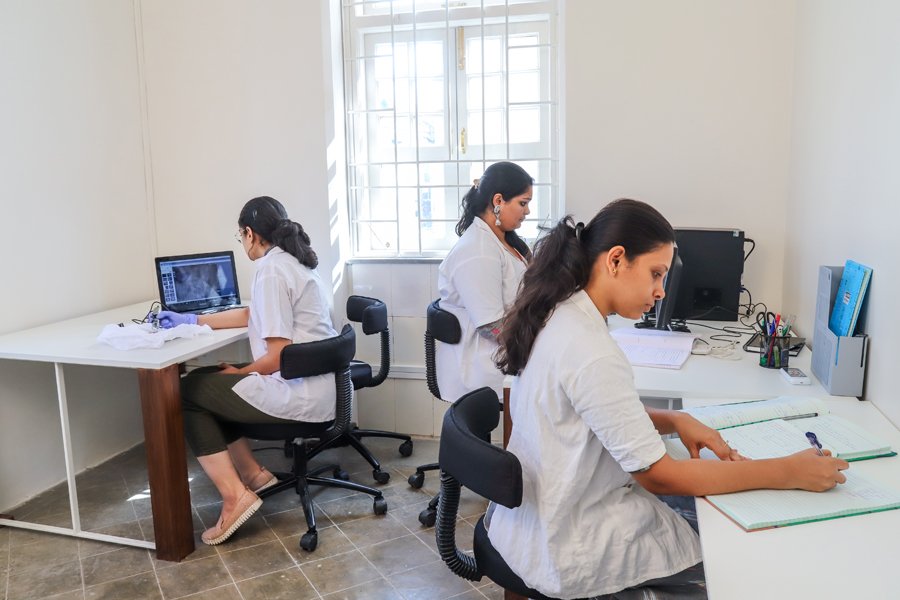
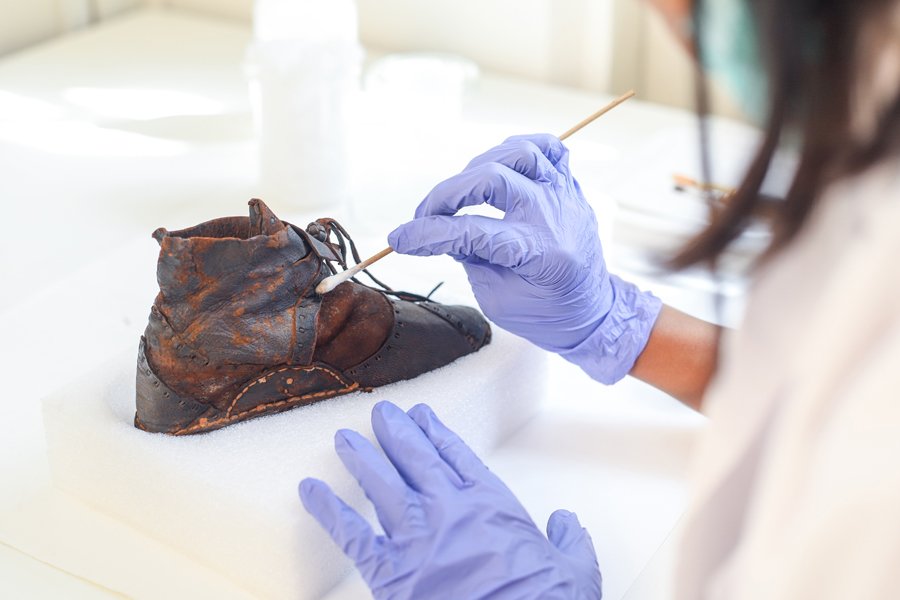
Prior to the inauguration of the Museum the FD Alpaiwalla Museum Art Conservation Centre meticulously conserved and restored more than a hundred objects including clay seals, terracotta, ceramics, textiles, metals, paintings, and prepared them suitable-for-display in time to offer them for view at the opening of the museum. This conservation-restoration effort was implemented by Anupam Heritage Lab that was established in 2010 with the prime objective of conservation of art, and imparting training in this field. A temporary working facility was established at the Alpaiwalla Museum and work was implemented there itself in order to avoid moving artifacts out of the museum.