Architect
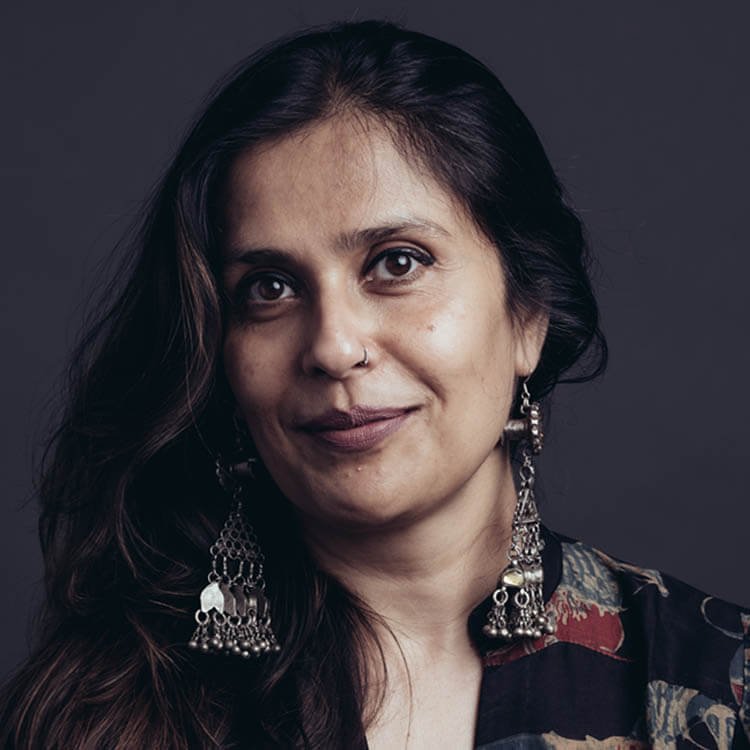
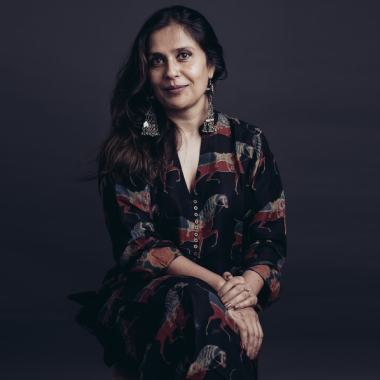
Abha Narain Lambah
Abha Narain Lambah
Abha Narain Lambah is a practicing Conservation Architect and a recipient of the Eisenhower Fellowship (USA) 2002, the Charles Wallace Fellowship (U.K.) 1998, the Attingham Trust Fellowship 2007, the Sankriti Award 2003, Architect of the Year Award 2018 Architectural Digest and Architect of the Year Award CNBC Awaaz 2016. Her firm has been included in the Top 50 Architects List by Architectural Digest and Construction World for the last 5 years.
Abha’s architectural practice focuses on conservation and museum projects across the country and includes the 15th Century temples in Ladakh and Hampi, mosques, palaces, forts and caravan sarais in Hyderabad, Rajasthan, Madhya Pradesh and Punjab, ancient Buddhist sites of Ajanta, Sarnath and Bodh Gaya, urban and regional conservation in Kancheepuram and Shekhawati and conserving colonial heritage in Delhi, Nainital and Mumbai. She is a consultant to ICCROM, Global Heritage Fund and World Monuments Fund and has served on the heritage committees of both Delhi and Mumbai. Her practice has won 13 UNESCO Asia Pacific Awards for heritage conservation.
For nearly two decades since the Heritage Regulations for Bombay in 1995, Abha has been involved with conserving many 19th Century Victorian landmarks and precincts. Some of her projects in Mumbai urban guidelines for Khotachiwadi and Dadabhai Naoroji Road and the restoration of Convocation Hall, Elphinstone College, Tata Palace (Deutche Bank), Mani Bhavan Gandhi Sangrahalay, Chhatrapati Shivaji Maharaj Vastu Sangrahalaya, Sir JJ School of Art, Municipal Head Office and Crawford Market. She has advised on museum design for Indian Musuem Kolkata and Rashtapati Bhavan Museum Delhi, Prince of Wales and Mani Bhavan Mumbai, Bharatpur and Bangalore State Museums, Swaraj Bhavan and Anand Bhavan Allahabad and is currently working on the Nehru Memorial Library & Museum and the Lal Bagh Palace Museum in Indore for World Monuments Fund.
Abha Narain Lambah
Abha Narain Lambah
Abha Narain Lambah
Abha Narain Lambah is a practicing Conservation Architect and a recipient of the Eisenhower Fellowship (USA) 2002, the Charles Wallace Fellowship (U.K.) 1998, the Attingham Trust Fellowship 2007, the Sankriti Award 2003, Architect of the Year Award 2018 Architectural Digest and Architect of the Year Award CNBC Awaaz 2016. Her firm has been included in the Top 50 Architects List by Architectural Digest and Construction World for the last 5 years.
Abha’s architectural practice focuses on conservation and museum projects across the country and includes the 15th Century temples in Ladakh and Hampi, mosques, palaces, forts and caravan sarais in Hyderabad, Rajasthan, Madhya Pradesh and Punjab, ancient Buddhist sites of Ajanta, Sarnath and Bodh Gaya, urban and regional conservation in Kancheepuram and Shekhawati and conserving colonial heritage in Delhi, Nainital and Mumbai. She is a consultant to ICCROM, Global Heritage Fund and World Monuments Fund and has served on the heritage committees of both Delhi and Mumbai. Her practice has won 13 UNESCO Asia Pacific Awards for heritage conservation.
For nearly two decades since the Heritage Regulations for Bombay in 1995, Abha has been involved with conserving many 19th Century Victorian landmarks and precincts. Some of her projects in Mumbai urban guidelines for Khotachiwadi and Dadabhai Naoroji Road and the restoration of Convocation Hall, Elphinstone College, Tata Palace (Deutche Bank), Mani Bhavan Gandhi Sangrahalay, Chhatrapati Shivaji Maharaj Vastu Sangrahalaya, Sir JJ School of Art, Municipal Head Office and Crawford Market. She has advised on museum design for Indian Musuem Kolkata and Rashtapati Bhavan Museum Delhi, Prince of Wales and Mani Bhavan Mumbai, Bharatpur and Bangalore State Museums, Swaraj Bhavan and Anand Bhavan Allahabad and is currently working on the Nehru Memorial Library & Museum and the Lal Bagh Palace Museum in Indore for World Monuments Fund.
Art Director
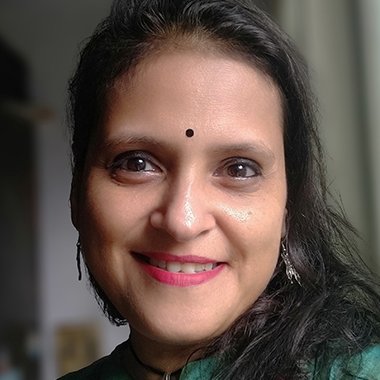
Asavari Honavar
Asavari Honavar
Founder of Studio ANANYA, Asavari works with institutions, family enterprises, cultural patrons and visionary leaders to translate inner purpose into world-class identities, environments and experiences. She designs, in her words, from the inside out — beginning not with aesthetics but with meaning and mission.
She conceived and delivered ‘Dr. Jamshed Bhabha Remembered’, the permanent memorial exhibit to the founder of the NCPA, Mumbai. For the royal house of Ladakh, she created the heritage identity of the Stok Palace estate of HH Jigmed Namgyal. Abha Narain Lambah Associates in the past has commissioned her to design UNESCO nomination dossiers (Qutb Shahi Monuments & Shantiniketan), the Site Management Plan for the Ajanta Caves, the Nehru Family Museum in Prayagraj and CSMVS for which she won the UNESCO Asia Pacific Heritage Award of Excellence. Her reimagining of Varanasi as Kashi, rooted in the Panchakroshi Yatra, was commended by the Ministry of Culture, GoI.
Equally at home in the corporate world, Asavari has built brands and communication systems across technology, industrial, retail and hospitality sectors, typically engaged at moments of launch, expansion or repositioning. She created the corporate identity and brand architecture for Westlife Development, mother brand for McDonald’s in South-West India, and led branding for FDC Solutions within the Caterpillar technology ecosystem in Peoria, USA. Her client list spans the Tata, Mahindra and Godrej ecosystems, Condé Nast India, UDRI, JSW, Future Group, JP Morgan, Glenmark, L’Oreal, the RPG Foundation, ADSNY, Jnanapravaha, Kabir Bedi and Akshatha Murty. A postgraduate in Comparative Mythology and in Indian Aesthetics from the University of Mumbai, with foundations in Applied Arts and Life science, she brings an unusually layered sensibility to her practice — that the most enduring identities are not merely seen but understood, and that heritage, told well, becomes contemporary and alive.
Asavari Honavar
Asavari Honavar
Asavari Honavar
Founder of Studio ANANYA, Asavari works with institutions, family enterprises, cultural patrons and visionary leaders to translate inner purpose into world-class identities, environments and experiences. She designs, in her words, from the inside out — beginning not with aesthetics but with meaning and mission.
She conceived and delivered ‘Dr. Jamshed Bhabha Remembered’, the permanent memorial exhibit to the founder of the NCPA, Mumbai. For the royal house of Ladakh, she created the heritage identity of the Stok Palace estate of HH Jigmed Namgyal. Abha Narain Lambah Associates in the past has commissioned her to design UNESCO nomination dossiers (Qutb Shahi Monuments & Shantiniketan), the Site Management Plan for the Ajanta Caves, the Nehru Family Museum in Prayagraj and CSMVS for which she won the UNESCO Asia Pacific Heritage Award of Excellence. Her reimagining of Varanasi as Kashi, rooted in the Panchakroshi Yatra, was commended by the Ministry of Culture, GoI.
Equally at home in the corporate world, Asavari has built brands and communication systems across technology, industrial, retail and hospitality sectors, typically engaged at moments of launch, expansion or repositioning. She created the corporate identity and brand architecture for Westlife Development, mother brand for McDonald’s in South-West India, and led branding for FDC Solutions within the Caterpillar technology ecosystem in Peoria, USA. Her client list spans the Tata, Mahindra and Godrej ecosystems, Condé Nast India, UDRI, JSW, Future Group, JP Morgan, Glenmark, L’Oreal, the RPG Foundation, ADSNY, Jnanapravaha, Kabir Bedi and Akshatha Murty. A postgraduate in Comparative Mythology and in Indian Aesthetics from the University of Mumbai, with foundations in Applied Arts and Life science, she brings an unusually layered sensibility to her practice — that the most enduring identities are not merely seen but understood, and that heritage, told well, becomes contemporary and alive.
Art Restorer
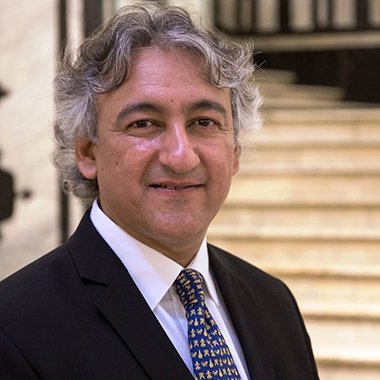
Anupam Sah
Anupam Sah
Anupam Sah is the Founder Director of Anupam Heritage Lab, and of The Himalayan Society for Heritage Art Conservation. With the purpose of catalysing growth of the art conservation profession, he has helped establish and develop over 25 art conservation facilities and conducted well over 250 training programs over three decades.
As a conservation consultant, and through his firm as an implementation agency, he has, along with other experts, helped design and lead numerous conservation and training projects, in India and overseas, for institutions such as Government of India, State Governments, Tata Trusts, UNESCO, World Monuments Fund, and for universities in India, and also for Yale IPCH, LMSAI at Harvard, Pretoria, and other institutions.
He had first served as Director Projects (Conservation) at the Indian National Trust for Art and Cultural Heritage, and then as Head of Art Conservation, Research, and Training at CSMVS Museum, Mumbai, at both institutions for well over a decade each. A cross-disciplinary practitioner with multifaceted skills, Anupam works with a Systems Approach based on inter-relatedness and networked cycles of effects and causes, allowing him to also engage heritage conservation with other sectors and to build capacity at community and institutional levels. His consistent and energetic efforts in the field of art conservation have been acknowledged through conferment of various Awards and Grants including the Sanskriti Award, Unesco Asia Pacific Heritage Awards, Order of the Star of Italy, Marwar Ratna and others.
Anupam has cheerfully guided the Alpaiwalla Museum’s collection care and conservation-restoration efforts for almost a decade now, and is now helping upgrade its new conservation facility.
Anupam Sah
Anupam Sah
Anupam Sah
Anupam Sah is the Founder Director of Anupam Heritage Lab, and of The Himalayan Society for Heritage Art Conservation. With the purpose of catalysing growth of the art conservation profession, he has helped establish and develop over 25 art conservation facilities and conducted well over 250 training programs over three decades.
As a conservation consultant, and through his firm as an implementation agency, he has, along with other experts, helped design and lead numerous conservation and training projects, in India and overseas, for institutions such as Government of India, State Governments, Tata Trusts, UNESCO, World Monuments Fund, and for universities in India, and also for Yale IPCH, LMSAI at Harvard, Pretoria, and other institutions.
He had first served as Director Projects (Conservation) at the Indian National Trust for Art and Cultural Heritage, and then as Head of Art Conservation, Research, and Training at CSMVS Museum, Mumbai, at both institutions for well over a decade each. A cross-disciplinary practitioner with multifaceted skills, Anupam works with a Systems Approach based on inter-relatedness and networked cycles of effects and causes, allowing him to also engage heritage conservation with other sectors and to build capacity at community and institutional levels. His consistent and energetic efforts in the field of art conservation have been acknowledged through conferment of various Awards and Grants including the Sanskriti Award, Unesco Asia Pacific Heritage Awards, Order of the Star of Italy, Marwar Ratna and others.
Anupam has cheerfully guided the Alpaiwalla Museum’s collection care and conservation-restoration efforts for almost a decade now, and is now helping upgrade its new conservation facility.
Deputy Curators
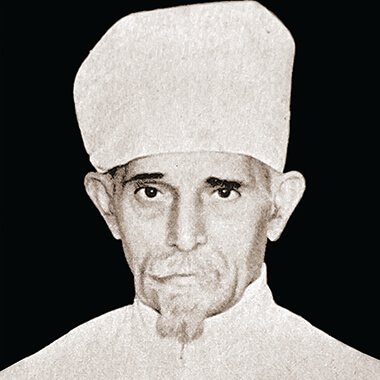
Dr. Jamshedji Maneckji Unvala
Jamshedji Maneckji Unwala (1954 - 1956)
Dr. Jamshedji Maneckji Unvala (1888–1961) was a distinguished Indian Parsi priest, scholar, and linguist. He dedicated his life to the preservation and study of ancient Zoroastrian literature, particularly in the Avestan, Pahlavi (Middle Persian), and Sanskrit languages. Doctorate from Germany: He traveled to Europe for his advanced academic pursuits. He earned his Doctor of Philosophy (Ph.D.) from the University of Heidelberg. His doctoral thesis was a critical edition, transcription, and translation of the Middle Persian text King Husrav and His Boy
Key Contributions & Scholarly Work
- Manuscript Preservation: Commissioned by the Parsi Punchayet Funds and Properties, he traveled extensively across Europe to collect and collate colophons of ancient Zoroastrian manuscripts.
- Published Texts: He has authored foundational studies and translations, including Collection Of Colophons Of Manuscripts Bearing On Zoroastrianism (1940) and critical editions of Pahlavi texts like King Husrav and His Boy.
- Linguistic Research: He translated and provided glossaries for religious texts, such as Neryosangh’s Sanskrit version of the Hōm Yast.
- Enduring Legacy: Following his passing in 1961, the academic community honoured his immense impact on Middle Persian grammar and Zoroastrian studies by publishing the J. M. Unvala Memorial Volume in 1964.
Dr. Jamshedji Maneckji Unvala successfully bridged the gap between academic archaeology and community preservation through his groundbreaking fieldwork in Iran and his foundational work with the Bombay Parsi Punchayet (BPP).
Archaeological Findings in Iran
Dr. Unvala trained at the prestigious Louvre School of Archaeology in Paris. His training allowed him to participate in some of the most significant excavations of the early 20th century, linking the Parsis of India back to Iran.
- The Susa Excavations: He spent several years excavating the ancient, historical city of Susa, Iran (a principal city of the Achaemenid and Elamite Empires).
- Key Discoveries: His digs yielded rare antiquities, including Proto-Elamite clay tablets, ancient cuneiform business and political records, and precious fragments of the world-famous Frieze of the Archers palace decoration. He discovered and preserved ancient astodans — ossuary vessels used in ancient Zoroastrian burial rituals to protect the sacred earth from contamination.
- Alongside Susa, he conducted extensive archaeological surveys in Yazd, retrieving historical coins, textiles, and everyday ritual items from a disused Tower of Silence.
Dr. Unvala’s collaboration with the BPP — the apex administrative body of the Indian Parsi community — spanned several decades and profoundly shaped how the community preserved its heritage. In 1919, the Secretary of the Parsi Punchayet, Dr. Sir Jivanji Jamshedji Modi, commissioned Dr. Unvala to locate and catalogue scattered Iranian heritage across Europe. Working as a Government of India Scholar, Unvala spent years touring European libraries to collate the critical colophons of ancient Avesta, Pahlavi, and Persian manuscripts.
- Founding India’s Only Parsi Museum: In the early 1950s, the BPP sought to establish a dedicated museum. Dr. Unvala served as the guiding expert, helping the BPP establish the Parsi Punchayet Museum in 1954 at the Khareghat Memorial Building in Mumbai.
- The Unvala Donation: To ensure his life’s work remained accessible to the public, Dr. Unvala donated his entire private collection of Susa and Yazd archaeological finds to this museum.
Dr. Jamshedji Maneckji Unvala
(1954 - 1956)
Dr. Jamshedji Maneckji Unvala
Jamshedji Maneckji Unwala (1954 - 1956)
Dr. Jamshedji Maneckji Unvala (1888–1961) was a distinguished Indian Parsi priest, scholar, and linguist. He dedicated his life to the preservation and study of ancient Zoroastrian literature, particularly in the Avestan, Pahlavi (Middle Persian), and Sanskrit languages. Doctorate from Germany: He traveled to Europe for his advanced academic pursuits. He earned his Doctor of Philosophy (Ph.D.) from the University of Heidelberg. His doctoral thesis was a critical edition, transcription, and translation of the Middle Persian text King Husrav and His Boy
Key Contributions & Scholarly Work
- Manuscript Preservation: Commissioned by the Parsi Punchayet Funds and Properties, he traveled extensively across Europe to collect and collate colophons of ancient Zoroastrian manuscripts.
- Published Texts: He has authored foundational studies and translations, including Collection Of Colophons Of Manuscripts Bearing On Zoroastrianism (1940) and critical editions of Pahlavi texts like King Husrav and His Boy.
- Linguistic Research: He translated and provided glossaries for religious texts, such as Neryosangh’s Sanskrit version of the Hōm Yast.
- Enduring Legacy: Following his passing in 1961, the academic community honoured his immense impact on Middle Persian grammar and Zoroastrian studies by publishing the J. M. Unvala Memorial Volume in 1964.
Dr. Jamshedji Maneckji Unvala successfully bridged the gap between academic archaeology and community preservation through his groundbreaking fieldwork in Iran and his foundational work with the Bombay Parsi Punchayet (BPP).
Archaeological Findings in Iran
Dr. Unvala trained at the prestigious Louvre School of Archaeology in Paris. His training allowed him to participate in some of the most significant excavations of the early 20th century, linking the Parsis of India back to Iran.
- The Susa Excavations: He spent several years excavating the ancient, historical city of Susa, Iran (a principal city of the Achaemenid and Elamite Empires).
- Key Discoveries: His digs yielded rare antiquities, including Proto-Elamite clay tablets, ancient cuneiform business and political records, and precious fragments of the world-famous Frieze of the Archers palace decoration. He discovered and preserved ancient astodans — ossuary vessels used in ancient Zoroastrian burial rituals to protect the sacred earth from contamination.
- Alongside Susa, he conducted extensive archaeological surveys in Yazd, retrieving historical coins, textiles, and everyday ritual items from a disused Tower of Silence.
Dr. Unvala’s collaboration with the BPP — the apex administrative body of the Indian Parsi community — spanned several decades and profoundly shaped how the community preserved its heritage. In 1919, the Secretary of the Parsi Punchayet, Dr. Sir Jivanji Jamshedji Modi, commissioned Dr. Unvala to locate and catalogue scattered Iranian heritage across Europe. Working as a Government of India Scholar, Unvala spent years touring European libraries to collate the critical colophons of ancient Avesta, Pahlavi, and Persian manuscripts.
- Founding India’s Only Parsi Museum: In the early 1950s, the BPP sought to establish a dedicated museum. Dr. Unvala served as the guiding expert, helping the BPP establish the Parsi Punchayet Museum in 1954 at the Khareghat Memorial Building in Mumbai.
- The Unvala Donation: To ensure his life’s work remained accessible to the public, Dr. Unvala donated his entire private collection of Susa and Yazd archaeological finds to this museum.
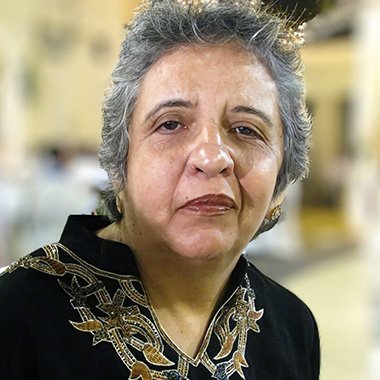
Nivedita D. Mehta
Nivedita D. Mehta (1981 - 2016)
Nivedita Mehta obtained her MA in archaeology from the Deccan College, Pune. She was a contemporary and colleague of the nationally well-known archaeologist Shereen Ratnagar. For 30 years, Nivedita was the sole custodian of the F.D. Alpaiwalla Museum. Under her the museum artefacts were catalogued and updated. She was the second curator of the museum.
Nivedita D. Mehta
(1981 - 2016)
Nivedita D. Mehta
Nivedita D. Mehta (1981 - 2016)
Nivedita Mehta obtained her MA in archaeology from the Deccan College, Pune. She was a contemporary and colleague of the nationally well-known archaeologist Shereen Ratnagar. For 30 years, Nivedita was the sole custodian of the F.D. Alpaiwalla Museum. Under her the museum artefacts were catalogued and updated. She was the second curator of the museum.
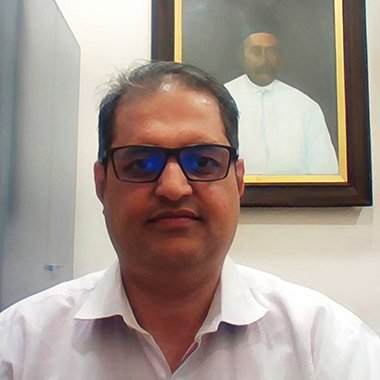
Kerman R. Fatakia
Kerman R. Fatakia (2018 - present)
Kerman is the Deputy Curator at the F.D. Alpaiwalla Museum. He has a Masters in History from the University of Mumbai. He has worked on the archaeological site in Gilund, Rajasthan, under the Deccan College Pune and the University of Philadelphia. He holds a Post Graduate Diploma Management in Administration and Human Resources. Kerman is also a Zoroastrian priest and brings to the museum his rich experience in the practice of the faith.
Recently Kerman was selected to participate in a programme for Future Zoroastrians – Leadership Programme for Emerging Priestly Leaders.
Kerman R. Fatakia
(2018 - present)
Kerman R. Fatakia
Kerman R. Fatakia (2018 - present)
Kerman is the Deputy Curator at the F.D. Alpaiwalla Museum. He has a Masters in History from the University of Mumbai. He has worked on the archaeological site in Gilund, Rajasthan, under the Deccan College Pune and the University of Philadelphia. He holds a Post Graduate Diploma Management in Administration and Human Resources. Kerman is also a Zoroastrian priest and brings to the museum his rich experience in the practice of the faith.
Recently Kerman was selected to participate in a programme for Future Zoroastrians – Leadership Programme for Emerging Priestly Leaders.
Administrator
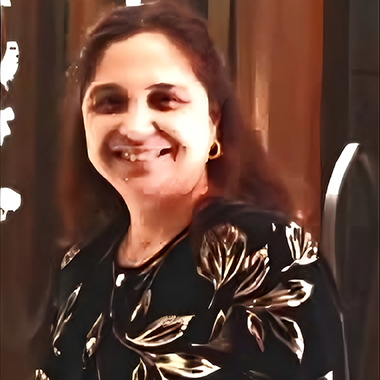
Tennaz K. Vakil
Tennaz K. Vakil (2024 - present)
Tennaz is presently Curatorial Administrator of the F. D. Alpaiwalla Museum. She also serves as the Education and Outreach Coordinator. She coordinates museum activities, liaising with educational institutions, and developing outreach programmes to engage students and the wider community.
She joined the team after her retirement from an Administerial role for 33 years as a Management Assistant.
Tennaz K. Vakil
(2024 - present)
Tennaz K. Vakil
Tennaz K. Vakil (2024 - present)
Tennaz is presently Curatorial Administrator of the F. D. Alpaiwalla Museum. She also serves as the Education and Outreach Coordinator. She coordinates museum activities, liaising with educational institutions, and developing outreach programmes to engage students and the wider community.
She joined the team after her retirement from an Administerial role for 33 years as a Management Assistant.