The F.D. Alpaiwalla Museum was founded in 1952 and houses the collection of the bullion trader Framji Dadabhoy Alpaiwalla and the archaeologist Jamshedji Maneckji Unvala.
Founders
Framji Dadabhoy Alpaiwalla
Framji Dadabhoy Alpaiwalla
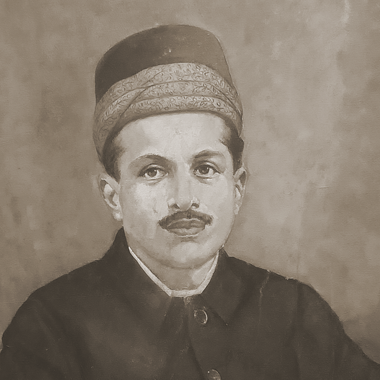
The museum is named after Framji Dadabhoy Alpaiwalla, an antique collector whose passion was such that he ran out of space in his eleven-room home to host his collection. ‘Most collectors devote a percentage of their income to art collection. Alpaiwalla exercised no such self-restraint,’ said Nivedita Mehta, the first Curator of the Museum. He donated his vast collection to the Bombay Parsi Punchayet, which set up the F.D. Alpaiwalla Museum.
Framji Dadabhoy Alpaiwalla
Framji Dadabhoy Alpaiwalla
Framji Dadabhoy Alpaiwalla
The museum is named after Framji Dadabhoy Alpaiwalla, an antique collector whose passion was such that he ran out of space in his eleven-room home to host his collection. ‘Most collectors devote a percentage of their income to art collection. Alpaiwalla exercised no such self-restraint,’ said Nivedita Mehta, the first Curator of the Museum. He donated his vast collection to the Bombay Parsi Punchayet, which set up the F.D. Alpaiwalla Museum.
Jamshedji Maneckji Unvala
Jamshedji Maneckji Unvala
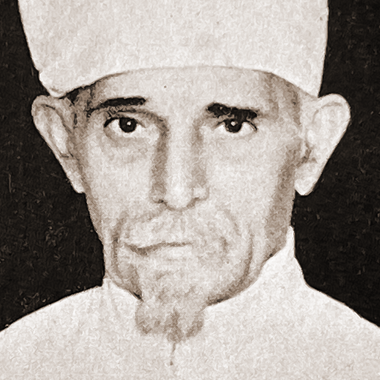
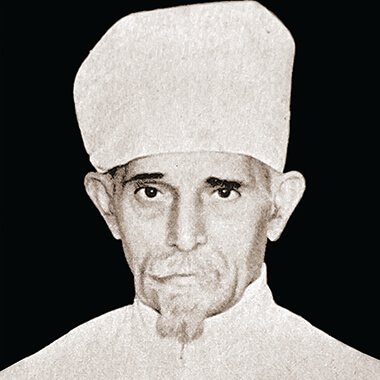
Jamshedji Maneckji Unvala (1888-1961) was a French-speaking scholar-priest and archaeologist. The Mission Archéologique de Susiane invited him to participate in the excavation at Susa under the French archaeologist Roland de Mecquenem. He excavated in Susa from 1927 to 1939, working on the ‘City of Artisans’ and Parthian and Sasanian sites. Unvala brought back from Susa, Proto-Elamite tablets, glazed bricks from the ‘Archer’s Freeze’ and several buff-coloured clay vases and pots. He excavated a Tower of Silence in Yazd, Iran and gifted the artefacts and objects to the F. D. Alpaiwalla Museum, Mumbai.
Jamshedji Maneckji Unvala
Jamshedji Maneckji Unvala
Jamshedji Maneckji Unvala
Jamshedji Maneckji Unvala (1888-1961) was a French-speaking scholar-priest and archaeologist. The Mission Archéologique de Susiane invited him to participate in the excavation at Susa under the French archaeologist Roland de Mecquenem. He excavated in Susa from 1927 to 1939, working on the ‘City of Artisans’ and Parthian and Sasanian sites. Unvala brought back from Susa, Proto-Elamite tablets, glazed bricks from the ‘Archer’s Freeze’ and several buff-coloured clay vases and pots. He excavated a Tower of Silence in Yazd, Iran and gifted the artefacts and objects to the F. D. Alpaiwalla Museum, Mumbai.
Advisors
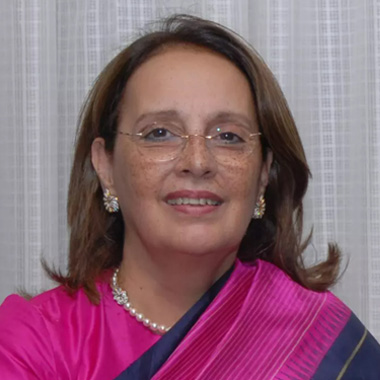
Dr. Pheroza J. Godrej
Dr. Pheroza J. Godrej
Pheroza Godrej is an art-historian and a Ph.D. in Ancient Indian Culture.
She founded the Cymroza Art Gallery and authored various publications and curated highly acclaimed exhibitions for leading National and International Museums.
She is Chairperson of the Museum Society of Mumbai; former President of the National Society of the Friends of the Trees for 17 years, President Emeritus since 2016.
Dr. Godrej is Trustee of Dr. Bhau Daji Lad Museum, Impact India Foundation, and the Sea Cadet Corp India; Director of Asia Society India Centre; and on the Advisory Executive Board of the Ashoka Trust for Research in Ecology and the Mehli Mehta Music Foundation.
The Asiatic Society of Mumbai conferred her with the Society’s Honorary Fellowship for her outstanding contribution in the field of art and culture.
Dr. Godrej is the Chairperson of the Godrej Archives Council and Advisor, Godrej Mangroves Cell.
Dr. Pheroza J. Godrej
Dr. Pheroza J. Godrej
Dr. Pheroza J. Godrej
Pheroza Godrej is an art-historian and a Ph.D. in Ancient Indian Culture.
She founded the Cymroza Art Gallery and authored various publications and curated highly acclaimed exhibitions for leading National and International Museums.
She is Chairperson of the Museum Society of Mumbai; former President of the National Society of the Friends of the Trees for 17 years, President Emeritus since 2016.
Dr. Godrej is Trustee of Dr. Bhau Daji Lad Museum, Impact India Foundation, and the Sea Cadet Corp India; Director of Asia Society India Centre; and on the Advisory Executive Board of the Ashoka Trust for Research in Ecology and the Mehli Mehta Music Foundation.
The Asiatic Society of Mumbai conferred her with the Society’s Honorary Fellowship for her outstanding contribution in the field of art and culture.
Dr. Godrej is the Chairperson of the Godrej Archives Council and Advisor, Godrej Mangroves Cell.
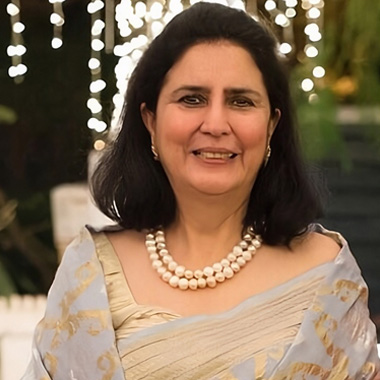
Firoza Punthakey Mistree
Firoza Punthakey Mistree
Firoza Punthakey Mistree, along with Dr. Pheroza J. Godrej has been appointed by the Trustees of the Bombay Parsi Punchayet to serve as Honorary advisors for the F. D. Alpaiwalla Museum. Their role entailed upgrading and reimagining the museum, a legacy project of the Parsi Irani Zoroastrian community. Mistree’s work has highlighted the importance of preserving the vulnerable heritage, artistry and historical significance of the museum’s artifacts. Her contribution has brought attention to the rich heritage and cultural achievements of the Parsi Irani Zoroastrian Community.
Awards and Recognition:
In 1990, she received the Fezana Award for Humanitarian Services for coordinating a resettlement program for displaced Iranian Zoroastrians stranded in India and Pakistan. She worked closely with UNHCR and the Red Cross to assist displaced Iranians and Vietnamese boat refugees in India. In 2018, she received the ‘Zoroastrian Trust Funds of India’ Award for Cultural Preservation.
She works with Zoroastrian Studies Mumbai, with a primary focus on the vulnerable heritage of the Parsi Irani Zoroastrian community.
Publications and Contribution:
She has co-edited several publications with Pheroza J. Godrej, including:
- A Zoroastrian Tapestry: Art, Religion & Culture (2002)
- Across Oceans & Flowing Silks From Canton to Bombay 18th-20th Centuries, No Parsi Is An Island (2013)
- Painted Encounters, Parsi Merchants and the Community (2016)
- The Framji Dadabhoy Alpaiwalla Museum (inaugural catalogue – 2025) published for the reopening of the Alpaiwalla Museum
She has also contributed to The Everlasting Flame: Zoroastrianism in History and Imagination (2013) and its Supplementary Catalogue (2016), both books, accompanied exhibitions she co-curated.
Recently she co-edited The Selected Scholarly Writings of Dastur Firoze. M. Kotwal, vol. 1 (2018) and vol. 2 (2025)
The articles she has published, include the ‘Laying of the Sopra-e Shah Pariya’, ‘Rudyard Kipling’s connection to the Parsi community‘. ‘The Lure of China and Parsi Portraiture’, a Biography of Dastur Firoze M. Kotwal.
Her more recent work is on ‘Fire Temple Water Wells and Popular Zoroastrian Practices’ and on ‘Identity and Silk’ – Parsi Textiles of the China Trade.
She also has worked on and has a particular interest in the costumes of the Zoroastrians of Yazd.
Firoza Punthakey Mistree
Firoza Punthakey Mistree
Firoza Punthakey Mistree
Firoza Punthakey Mistree, along with Dr. Pheroza J. Godrej has been appointed by the Trustees of the Bombay Parsi Punchayet to serve as Honorary advisors for the F. D. Alpaiwalla Museum. Their role entailed upgrading and reimagining the museum, a legacy project of the Parsi Irani Zoroastrian community. Mistree’s work has highlighted the importance of preserving the vulnerable heritage, artistry and historical significance of the museum’s artifacts. Her contribution has brought attention to the rich heritage and cultural achievements of the Parsi Irani Zoroastrian Community.
Awards and Recognition:
In 1990, she received the Fezana Award for Humanitarian Services for coordinating a resettlement program for displaced Iranian Zoroastrians stranded in India and Pakistan. She worked closely with UNHCR and the Red Cross to assist displaced Iranians and Vietnamese boat refugees in India. In 2018, she received the ‘Zoroastrian Trust Funds of India’ Award for Cultural Preservation.
She works with Zoroastrian Studies Mumbai, with a primary focus on the vulnerable heritage of the Parsi Irani Zoroastrian community.
Publications and Contribution:
She has co-edited several publications with Pheroza J. Godrej, including:
- A Zoroastrian Tapestry: Art, Religion & Culture (2002)
- Across Oceans & Flowing Silks From Canton to Bombay 18th-20th Centuries, No Parsi Is An Island (2013)
- Painted Encounters, Parsi Merchants and the Community (2016)
- The Framji Dadabhoy Alpaiwalla Museum (inaugural catalogue – 2025) published for the reopening of the Alpaiwalla Museum
She has also contributed to The Everlasting Flame: Zoroastrianism in History and Imagination (2013) and its Supplementary Catalogue (2016), both books, accompanied exhibitions she co-curated.
Recently she co-edited The Selected Scholarly Writings of Dastur Firoze. M. Kotwal, vol. 1 (2018) and vol. 2 (2025)
The articles she has published, include the ‘Laying of the Sopra-e Shah Pariya’, ‘Rudyard Kipling’s connection to the Parsi community‘. ‘The Lure of China and Parsi Portraiture’, a Biography of Dastur Firoze M. Kotwal.
Her more recent work is on ‘Fire Temple Water Wells and Popular Zoroastrian Practices’ and on ‘Identity and Silk’ – Parsi Textiles of the China Trade.
She also has worked on and has a particular interest in the costumes of the Zoroastrians of Yazd.
Administrator
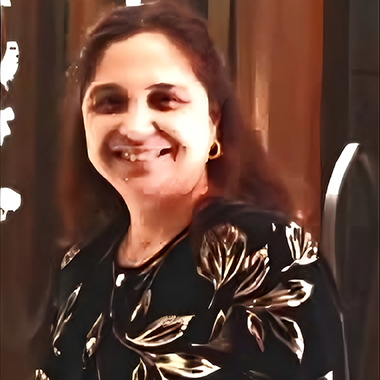
Tennaz K. Vakil
Tennaz K. Vakil (2024 - present)
Tennaz is presently Curatorial Administrator of the F. D. Alpaiwalla Museum. She also serves as the Education and Outreach Coordinator. She coordinates museum activities, liaising with educational institutions, and developing outreach programmes to engage students and the wider community.
She joined the team after her retirement from an Administerial role for 33 years as a Management Assistant.
Tennaz K. Vakil
(2024 - present)
Tennaz K. Vakil
Tennaz K. Vakil (2024 - present)
Tennaz is presently Curatorial Administrator of the F. D. Alpaiwalla Museum. She also serves as the Education and Outreach Coordinator. She coordinates museum activities, liaising with educational institutions, and developing outreach programmes to engage students and the wider community.
She joined the team after her retirement from an Administerial role for 33 years as a Management Assistant.
Curators
Dr. Jamshedji Maneckji Unvala
Jamshedji Maneckji Unwala (1954 - 1956)
Dr. Jamshedji Maneckji Unvala (1888–1961) was a distinguished Indian Parsi priest, scholar, and linguist. He dedicated his life to the preservation and study of ancient Zoroastrian literature, particularly in the Avestan, Pahlavi (Middle Persian), and Sanskrit languages. Doctorate from Germany: He traveled to Europe for his advanced academic pursuits. He earned his Doctor of Philosophy (Ph.D.) from the University of Heidelberg. His doctoral thesis was a critical edition, transcription, and translation of the Middle Persian text King Husrav and His Boy
Key Contributions & Scholarly Work
- Manuscript Preservation: Commissioned by the Parsi Punchayet Funds and Properties, he traveled extensively across Europe to collect and collate colophons of ancient Zoroastrian manuscripts.
- Published Texts: He has authored foundational studies and translations, including Collection Of Colophons Of Manuscripts Bearing On Zoroastrianism (1940) and critical editions of Pahlavi texts like King Husrav and His Boy.
- Linguistic Research: He translated and provided glossaries for religious texts, such as Neryosangh’s Sanskrit version of the Hōm Yast.
- Enduring Legacy: Following his passing in 1961, the academic community honoured his immense impact on Middle Persian grammar and Zoroastrian studies by publishing the J. M. Unvala Memorial Volume in 1964.
Dr. Jamshedji Maneckji Unvala successfully bridged the gap between academic archaeology and community preservation through his groundbreaking fieldwork in Iran and his foundational work with the Bombay Parsi Punchayet (BPP).
Archaeological Findings in Iran
Dr. Unvala trained at the prestigious Louvre School of Archaeology in Paris. His training allowed him to participate in some of the most significant excavations of the early 20th century, linking the Parsis of India back to Iran.
- The Susa Excavations: He spent several years excavating the ancient, historical city of Susa, Iran (a principal city of the Achaemenid and Elamite Empires).
- Key Discoveries: His digs yielded rare antiquities, including Proto-Elamite clay tablets, ancient cuneiform business and political records, and precious fragments of the world-famous Frieze of the Archers palace decoration. He discovered and preserved ancient astodans — ossuary vessels used in ancient Zoroastrian burial rituals to protect the sacred earth from contamination.
- Alongside Susa, he conducted extensive archaeological surveys in Yazd, retrieving historical coins, textiles, and everyday ritual items from a disused Tower of Silence.
Dr. Unvala’s collaboration with the BPP — the apex administrative body of the Indian Parsi community — spanned several decades and profoundly shaped how the community preserved its heritage. In 1919, the Secretary of the Parsi Punchayet, Dr. Sir Jivanji Jamshedji Modi, commissioned Dr. Unvala to locate and catalogue scattered Iranian heritage across Europe. Working as a Government of India Scholar, Unvala spent years touring European libraries to collate the critical colophons of ancient Avesta, Pahlavi, and Persian manuscripts.
- Founding India’s Only Parsi Museum: In the early 1950s, the BPP sought to establish a dedicated museum. Dr. Unvala served as the guiding expert, helping the BPP establish the Parsi Punchayet Museum in 1954 at the Khareghat Memorial Building in Mumbai.
- The Unvala Donation: To ensure his life’s work remained accessible to the public, Dr. Unvala donated his entire private collection of Susa and Yazd archaeological finds to this museum.
Jamshedji Maneckji Unwala
(1954 - 1956)
Dr. Jamshedji Maneckji Unvala
Jamshedji Maneckji Unwala (1954 - 1956)
Dr. Jamshedji Maneckji Unvala (1888–1961) was a distinguished Indian Parsi priest, scholar, and linguist. He dedicated his life to the preservation and study of ancient Zoroastrian literature, particularly in the Avestan, Pahlavi (Middle Persian), and Sanskrit languages. Doctorate from Germany: He traveled to Europe for his advanced academic pursuits. He earned his Doctor of Philosophy (Ph.D.) from the University of Heidelberg. His doctoral thesis was a critical edition, transcription, and translation of the Middle Persian text King Husrav and His Boy
Key Contributions & Scholarly Work
- Manuscript Preservation: Commissioned by the Parsi Punchayet Funds and Properties, he traveled extensively across Europe to collect and collate colophons of ancient Zoroastrian manuscripts.
- Published Texts: He has authored foundational studies and translations, including Collection Of Colophons Of Manuscripts Bearing On Zoroastrianism (1940) and critical editions of Pahlavi texts like King Husrav and His Boy.
- Linguistic Research: He translated and provided glossaries for religious texts, such as Neryosangh’s Sanskrit version of the Hōm Yast.
- Enduring Legacy: Following his passing in 1961, the academic community honoured his immense impact on Middle Persian grammar and Zoroastrian studies by publishing the J. M. Unvala Memorial Volume in 1964.
Dr. Jamshedji Maneckji Unvala successfully bridged the gap between academic archaeology and community preservation through his groundbreaking fieldwork in Iran and his foundational work with the Bombay Parsi Punchayet (BPP).
Archaeological Findings in Iran
Dr. Unvala trained at the prestigious Louvre School of Archaeology in Paris. His training allowed him to participate in some of the most significant excavations of the early 20th century, linking the Parsis of India back to Iran.
- The Susa Excavations: He spent several years excavating the ancient, historical city of Susa, Iran (a principal city of the Achaemenid and Elamite Empires).
- Key Discoveries: His digs yielded rare antiquities, including Proto-Elamite clay tablets, ancient cuneiform business and political records, and precious fragments of the world-famous Frieze of the Archers palace decoration. He discovered and preserved ancient astodans — ossuary vessels used in ancient Zoroastrian burial rituals to protect the sacred earth from contamination.
- Alongside Susa, he conducted extensive archaeological surveys in Yazd, retrieving historical coins, textiles, and everyday ritual items from a disused Tower of Silence.
Dr. Unvala’s collaboration with the BPP — the apex administrative body of the Indian Parsi community — spanned several decades and profoundly shaped how the community preserved its heritage. In 1919, the Secretary of the Parsi Punchayet, Dr. Sir Jivanji Jamshedji Modi, commissioned Dr. Unvala to locate and catalogue scattered Iranian heritage across Europe. Working as a Government of India Scholar, Unvala spent years touring European libraries to collate the critical colophons of ancient Avesta, Pahlavi, and Persian manuscripts.
- Founding India’s Only Parsi Museum: In the early 1950s, the BPP sought to establish a dedicated museum. Dr. Unvala served as the guiding expert, helping the BPP establish the Parsi Punchayet Museum in 1954 at the Khareghat Memorial Building in Mumbai.
- The Unvala Donation: To ensure his life’s work remained accessible to the public, Dr. Unvala donated his entire private collection of Susa and Yazd archaeological finds to this museum.

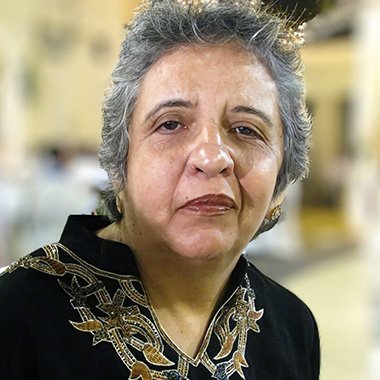
Nivedita D. Mehta
Nivedita D. Mehta (1981 - 2016)
Nivedita Mehta obtained her MA in archaeology from the Deccan College, Pune. She was a contemporary and colleague of the nationally well-known archaeologist Shereen Ratnagar. For 30 years, Nivedita was the sole custodian of the F.D. Alpaiwalla Museum. Under her the museum artefacts were catalogued and updated. She was the second curator of the museum.
Nivedita D. Mehta
(1981 - 2016)
Nivedita D. Mehta
Nivedita D. Mehta (1981 - 2016)
Nivedita Mehta obtained her MA in archaeology from the Deccan College, Pune. She was a contemporary and colleague of the nationally well-known archaeologist Shereen Ratnagar. For 30 years, Nivedita was the sole custodian of the F.D. Alpaiwalla Museum. Under her the museum artefacts were catalogued and updated. She was the second curator of the museum.
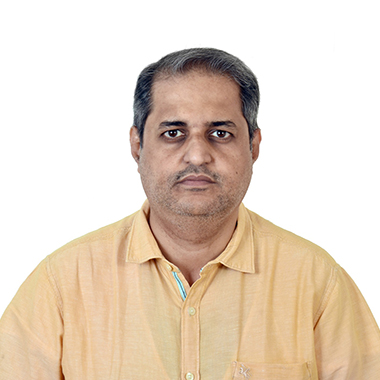
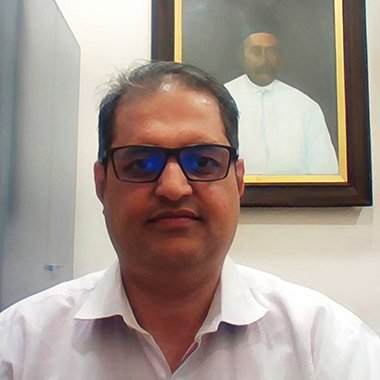
Kerman R. Fatakia
Kerman R. Fatakia (2018 - present)
Kerman is the Deputy Curator at the F.D. Alpaiwalla Museum. He has a Masters in History from the University of Mumbai. He has worked on the archaeological site in Gilund, Rajasthan, under the Deccan College Pune and the University of Philadelphia. He holds a Post Graduate Diploma Management in Administration and Human Resources. Kerman is also a Zoroastrian priest and brings to the museum his rich experience in the practice of the faith.
Recently Kerman was selected to participate in a programme for Future Zoroastrians – Leadership Programme for Emerging Priestly Leaders.
Kerman R. Fatakia
(2018 - present)
Kerman R. Fatakia
Kerman R. Fatakia (2018 - present)
Kerman is the Deputy Curator at the F.D. Alpaiwalla Museum. He has a Masters in History from the University of Mumbai. He has worked on the archaeological site in Gilund, Rajasthan, under the Deccan College Pune and the University of Philadelphia. He holds a Post Graduate Diploma Management in Administration and Human Resources. Kerman is also a Zoroastrian priest and brings to the museum his rich experience in the practice of the faith.
Recently Kerman was selected to participate in a programme for Future Zoroastrians – Leadership Programme for Emerging Priestly Leaders.